HVAC & air conditioning technician recruitment
From residential split systems to commercial plant and mechanical services, we recruit HVAC technicians for employers and help technicians find their next role.
The trades we cover
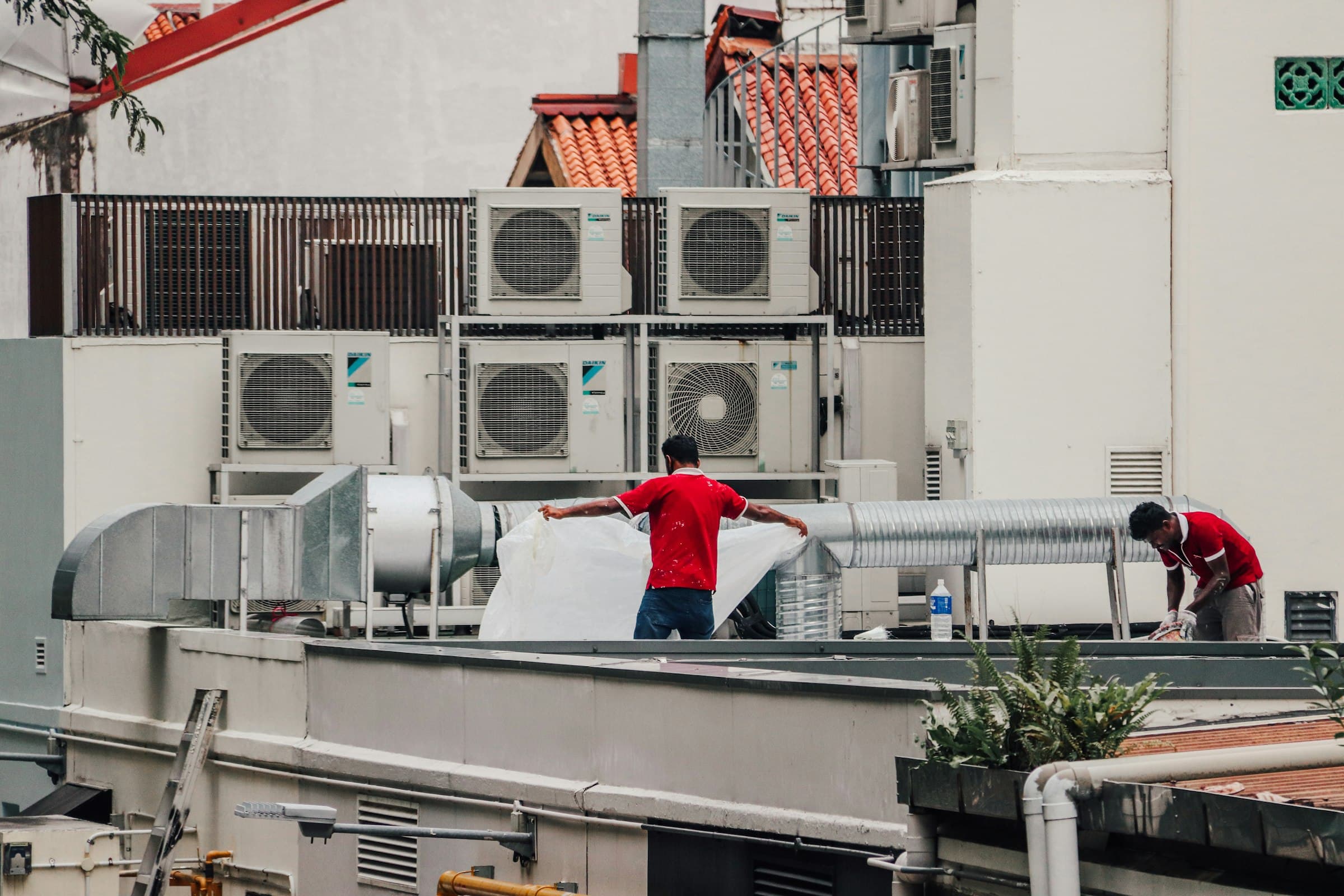
HVAC is broad — residential split-system installers, commercial technicians working on VRV/VRF systems and chillers, and maintenance technicians keeping existing plant running. We also place people working across the wider mechanical services space where HVAC overlaps with hydraulics or building automation. Refrigerant handling is licensed — a current ARCtick licence in Australia, and the equivalent scheme in New Zealand — covering the right class of work, and that's the first thing we verify for every candidate. If the role is specifically commercial or industrial refrigeration rather than air conditioning, see our refrigeration recruitment page — it's a scarcer trade and we recruit for it differently.
What employers are dealing with
Install work and service/maintenance work draw on genuinely different skills, and residential experience doesn't automatically translate to commercial systems. Employers hiring for commercial HVAC roles often need technicians with specific plant-type experience — not just "HVAC experience" broadly — which means a generic recruitment process tends to under-deliver. We screen specifically for the plant types, system sizes, and install-vs-service split your role actually needs.
Opportunities for technicians
If you're looking to move from residential into commercial work, broaden into mechanical services, or just find an employer with a better on-call and workload balance, we take the time to understand your actual experience — plant types, refrigerant classes, install vs. service — and match it to roles that genuinely fit.
Hiring HVAC technicians, or looking for your next role?
Read more on hiring HVAC technicians
Our guide covers ARCtick licensing, install vs. service experience, and the screening questions that matter.